How Accurate Time Tracking Saves Small Businesses Money

By Steve Holmes, Founder & CEO, Embedded Iron Inc.
The Hidden Cost of Inaccurate Time Records
Most small business owners don't realize how much money slips through the cracks due to sloppy time tracking. Rounding up by just 15 minutes a day per employee might seem harmless, but across a crew of ten that adds up to over 600 hours a year of paid-but-not-worked time.
For a trade company billing at $100 per hour, that's $60,000 in lost revenue -- or overpaid wages -- annually. Accurate records eliminate this silent drain on your bottom line.
Payroll Error Reduction
Manual timesheets are error-prone. Illegible handwriting, forgotten entries, and math mistakes all lead to payroll corrections that waste your office staff's time and frustrate employees who get shorted.
Digital time tracking captures exact clock-in and clock-out times, calculates hours automatically, and flags anomalies before payroll runs. Fewer corrections mean less administrative overhead and happier employees.
Better Job Costing and Bidding
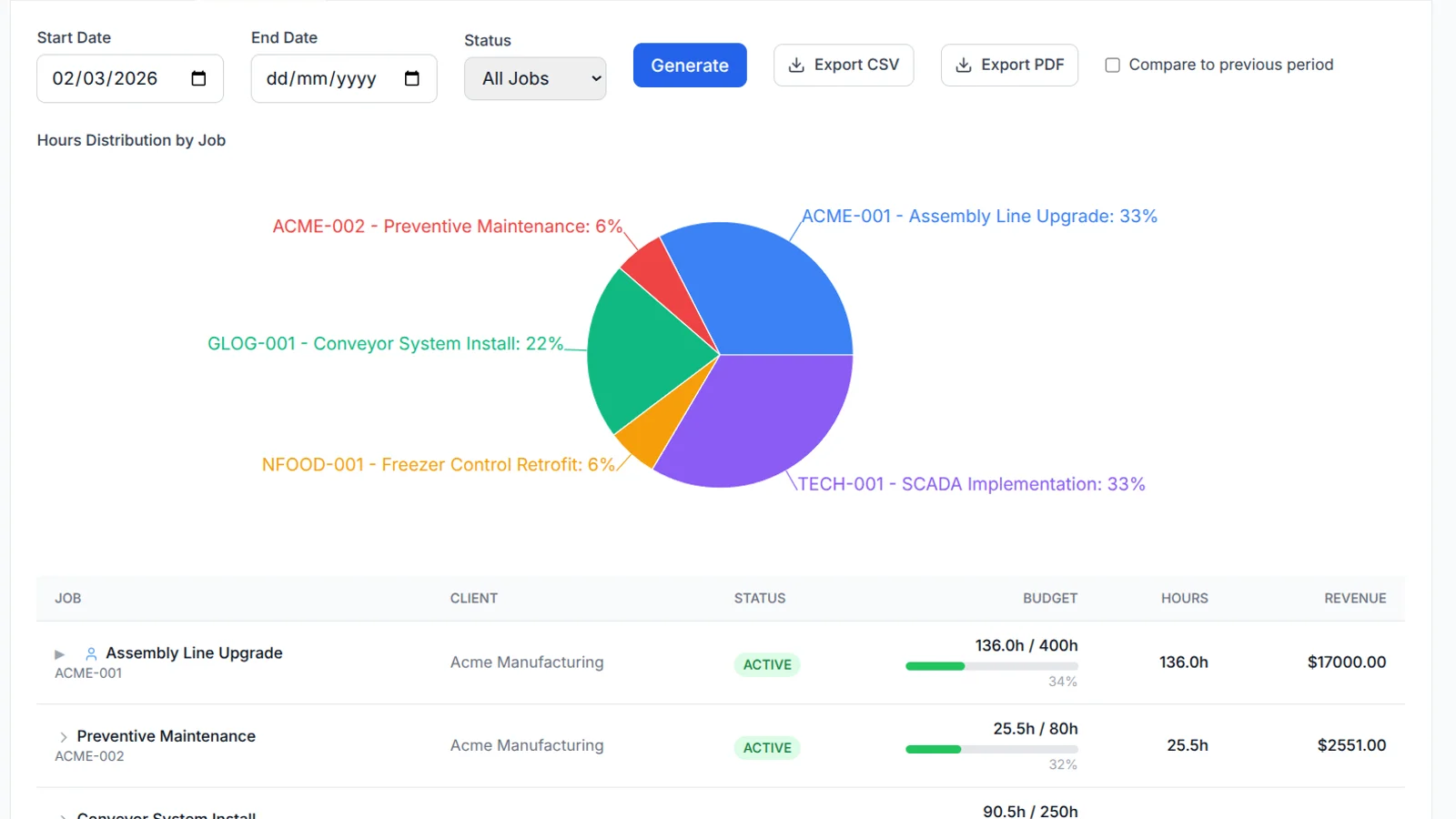
When you know exactly how many hours each job actually takes, you can bid future work with confidence. Too many contractors lose money because they underestimate labor hours based on gut feeling rather than historical data.
- Compare estimated vs. actual hours per job type
- Identify which jobs are profitable and which are not
- Adjust future bids based on real labor cost data
Accurate time records turn your past projects into a pricing database that protects your margins on every new bid.
Overtime Visibility
Overtime sneaks up on small businesses. Without real-time visibility into weekly hours, you might not realize an employee has hit 40 hours until Thursday -- leaving you with an expensive Friday you didn't budget for.
A good time tracking system shows you running totals throughout the week so you can redistribute work, adjust schedules, or plan for the overtime cost before it's a payroll surprise.